How the Data Centre Boom Could Impact Property Prices in Malaysia
- Jun 16
- 4 min read

Artificial intelligence, cloud computing, and digital transformation are fueling one of Malaysia's fastest-growing industries: data centres.
Over the past few years, global technology giants such as Microsoft, Google, AWS, and other hyperscale operators have poured billions of ringgit into Malaysia, particularly in Johor and the Klang Valley. The result is a rapidly expanding digital infrastructure sector that is beginning to influence not just industrial real estate, but residential and commercial property markets as well.
But what does this mean for property owners, investors, and homebuyers?
Let's explore how the data centre boom could shape property prices across Malaysia in the coming years.
What Is Driving the Data Centre Boom?
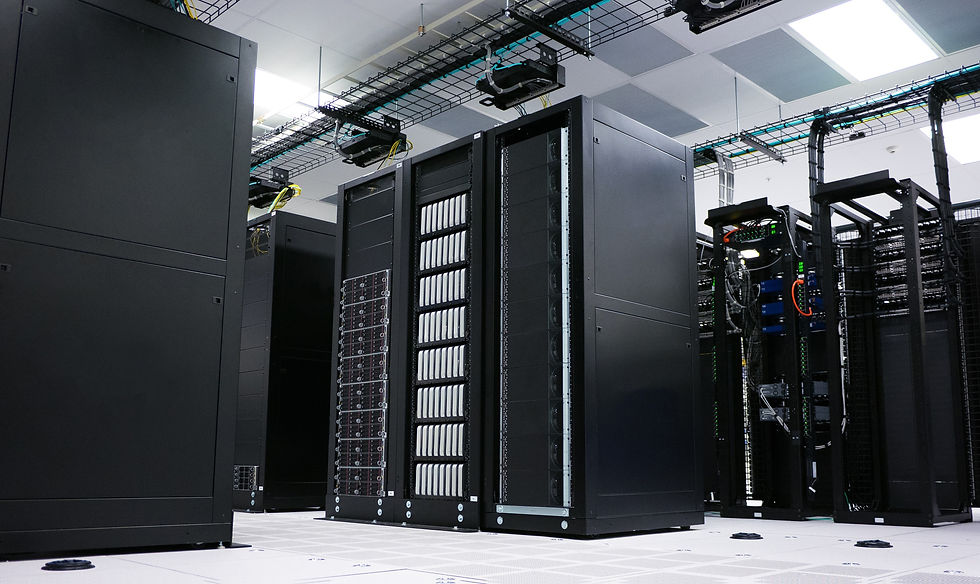
Malaysia has emerged as one of Southeast Asia's most attractive destinations for data centre investment.
Several factors have contributed to this growth:
Strategic location within ASEAN
Proximity to Singapore
Competitive land costs
Strong digital infrastructure
Growing demand for AI and cloud computing services
According to MITI, Malaysia approved RM144.4 billion worth of data centre investments between 2021 and March 2025. These projects are expected to create high-skilled jobs and attract further foreign direct investment into the country.
Industry reports also indicate that Malaysia's data centre market could more than triple in value by 2030, driven by growing AI adoption and cloud infrastructure demand.
1. Increased Demand for Industrial Land

The most direct impact is on industrial property.
Data centres require:
Large land parcels
High-capacity power supply
Strong fibre connectivity
Reliable infrastructure
As demand increases, industrial land prices in key locations have already started rising.
Property experts note that areas in Johor, Selangor, and Penang are experiencing increased demand from data centre operators and supporting industries.
In Johor, particularly, land suitable for data centre development is becoming increasingly scarce as major technology firms continue acquiring strategic sites.
For industrial landowners, this trend could translate into stronger capital appreciation over the long term.
2. Residential Demand Could Rise Near Data Centre Hubs
While data centres themselves do not employ thousands of workers like manufacturing plants, they create demand through a wider ecosystem.
Growth in the sector attracts:
Engineers
IT professionals
Cybersecurity specialists
Project managers
Contractors
Supporting service industries
MITI estimates that approved data centre projects will create more than 1,400 new skilled jobs, many of which are high-income positions. As employment opportunities increase, nearby residential areas may see stronger demand from professionals seeking housing near work.
This could benefit:
Johor Bahru
Iskandar Puteri
Cyberjaya
Certain parts of Greater Kuala Lumpur
Technology-focused industrial corridors
Historically, employment growth has been one of the strongest drivers of residential property demand.
3. Commercial Properties Could Benefit
The data centre boom is not only about server facilities.
Large-scale technology investments often create demand for:
Office space
Retail outlets
Hotels
Logistics facilities
Food and beverage businesses
When a region becomes a major technology hub, supporting businesses often follow. This pattern has already been observed in major global technology clusters and could increasingly emerge in Malaysia's growing digital infrastructure corridors.
As commercial activity expands, property values in surrounding areas may also strengthen.
4. Johor Could Be One of the Biggest Winners

If there is one state benefiting most from the data centre boom, it is Johor.
Knight Frank reports that Johor has become Southeast Asia's fastest-growing data centre hub, with capacity nearly doubling in recent years. Vacancy rates remain extremely low, highlighting strong demand from technology companies.
According to JLL Malaysia, Johor currently leads the nation in operational, under-construction, and planned data centre capacity. This growth could create positive spillover effects for nearby residential and commercial developments, particularly in areas with strong connectivity and supporting infrastructure.
Investors are already paying close attention to:
Iskandar Puteri
Nusajaya
Gelang Patah
Pasir Gudang
Johor Bahru
These locations may continue benefiting from long-term digital infrastructure investment.
5. Kuala Lumpur Could See New Opportunities
While Johor dominates headlines, Kuala Lumpur is also participating in the growth story.
In May 2026, Equinix announced an investment exceeding US$190 million for a new data centre facility in Kuala Lumpur, reinforcing the city's role as a regional digital hub.
As more technology companies establish operations in Greater Kuala Lumpur, demand for:
Office space
Residential properties
Supporting commercial developments
could continue growing.
Areas with strong digital infrastructure and transportation connectivity may benefit the most.
6. Not Every Property Will Benefit Equally
Although the overall trend is positive, not every property market will automatically experience price growth.
Property values are still influenced by:
Location
Accessibility
Public transportation
Local amenities
Housing affordability
Economic conditions
For example, Malaysia continues to face challenges with housing affordability and unsold residential inventory in certain market segments. Investors should avoid assuming that every property near a data centre will immediately increase in value.
The strongest opportunities typically emerge where digital infrastructure growth aligns with:
population growth,
employment creation,
transportation improvements,
and township development.
7. Environmental Factors Could Shape Future Growth
The data centre boom also brings challenges.
Data centres require significant electricity and water resources, leading to increasing discussions about sustainability and infrastructure capacity. Some local authorities have already introduced stricter requirements for future developments.
These considerations could influence:
future project approvals,
development locations,
and infrastructure planning.
As a result, areas with strong utilities and sustainable planning may enjoy a competitive advantage in attracting future investments.
What Should Property Investors Watch?

The data centre boom is creating opportunities beyond the technology sector itself.
Property investors should monitor:
Infrastructure Development
Areas receiving power, fibre, and transportation upgrades often experience stronger growth.
Employment Growth
More high-income jobs generally support housing demand.
New Township Developments
Integrated townships near technology corridors could attract professionals and families.
Commercial Expansion
Retail, office, and logistics demand often follows major investment activity.
Final Thoughts
Malaysia's data centre boom is more than a technology story—it is increasingly becoming a real estate story as well.
With billions of ringgit flowing into digital infrastructure, areas connected to this growth could experience stronger demand for industrial, commercial, and residential properties over the coming years. While Johor currently leads the sector, Kuala Lumpur, Selangor, and other technology-focused regions may also benefit from the ripple effects.
For property investors, the key takeaway is simple:
The biggest opportunities often emerge before infrastructure growth is fully reflected in property prices.
As Malaysia strengthens its position as a regional digital hub, today's technology corridors could become tomorrow's property hotspots.
👉 Looking to invest in high-growth property locations across Kuala Lumpur and Klang Valley? Contact Ascons Real Estate today for a FREE property consultation and discover opportunities in emerging growth corridors before the market catches up.
Kenms Ang
+60 19-686 2265


Comments