These KL Areas Were Once Cheap — Look at Them Now
Kuala Lumpur’s property market has changed dramatically over the past decade. Areas that were once considered “far,” “undeveloped,” or simply “not popular yet” are now some of the most talked-about investment hotspots in Klang Valley.
What changed? Infrastructure, MRT connectivity, integrated townships, lifestyle developments, and shifting buyer demand transformed these neighborhoods from overlooked locations into highly sought-after addresses.
Here are some of the KL areas that experienced the biggest transformation — and what property buyers can learn from them today.
1. Cheras — From “Old Town” to MRT-Driven Hotspot

Years ago, many buyers viewed Cheras as an older and congested suburb. Property prices were relatively affordable compared to central KL, and investors often overlooked the area.
Today, Cheras is one of the strongest-performing mass-market property zones in Kuala Lumpur.
The major turning point was the opening of the MRT Kajang Line. Developments near MRT stations saw strong appreciation, especially projects connected directly to transit hubs. According to market analysis, MRT-adjacent properties in Cheras recorded some of the strongest appreciation growth in KL over the last five years.
Areas around:
Taman Mutiara
Sunway Velocity
Maluri
Cochrane
have evolved into vibrant mixed-use communities with malls, offices, healthcare hubs, and modern high-rise living.
Today, many condos in Cheras transact around RM400–600 psf, significantly higher than older pricing benchmarks.
Why Cheras Grew So Fast
MRT connectivity
Affordable entry pricing
Strong rental demand
Integrated developments
Better lifestyle amenities
This is one of the clearest examples of how transportation infrastructure can reshape an entire property market.
2. Bangsar South — From Kampung Kerinchi to Premium Urban Hub

Before becoming one of KL’s most recognizable urban developments, Bangsar South was largely associated with the older Kampung Kerinchi area.
Today, it is a completely different story.
Massive integrated developments, Grade-A office towers, retail spaces, and improved public transportation transformed Bangsar South into a modern live-work-play district.
The area now attracts:
Young professionals
Expats
Corporate tenants
Investors seeking rental yield
Property analysts note that Bangsar South prices increased significantly over the past five years, driven by office growth and strong tenant demand.
What makes Bangsar South especially interesting is that it was once viewed as a secondary alternative to Bangsar proper. Today, many buyers see it as a prime destination in its own right.
Key Growth Drivers
Corporate office ecosystem
LRT and MRT accessibility
Walkable lifestyle environment
Integrated township planning
Strong rental market
This transformation shows how branding and master planning can completely redefine an area’s market perception.
3. Kepong — The Quiet Rise After MRT2
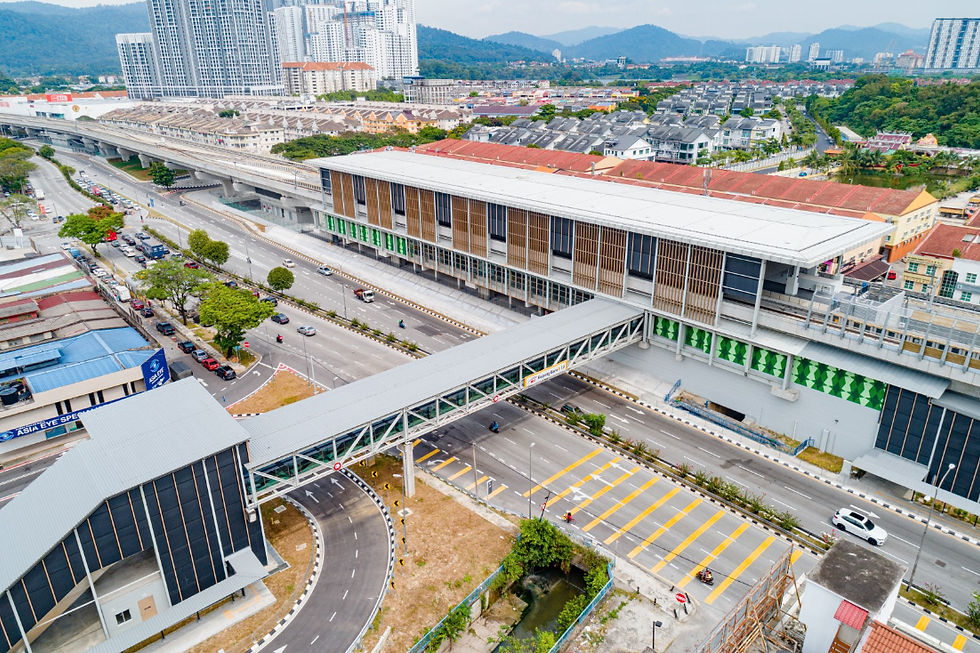
For many years, Kepong was seen mainly as a mature residential suburb with affordable homes and strong local communities. But once the MRT Putrajaya Line was introduced, the market began changing rapidly.
Property observers noted that prices in Kepong began to converge with those in Cheras as accessibility improved. New mixed developments, improved road infrastructure, and growing lifestyle amenities helped push demand upward.
Today, Kepong is no longer considered “far” by many KL buyers. Instead, it has become one of the more practical choices for:
Young families
Upgraders
Investors seeking rental demand
Buyers priced out of central KL
The transformation highlights how rail infrastructure can unlock value in mature neighborhoods.
4. Setapak & Wangsa Maju — Student Areas Becoming Urban Corridors
There was a time when Setapak and Wangsa Maju were mostly associated with student housing and older residential communities.
Today, both areas have seen rapid vertical development with:
New condominiums
Commercial hubs
Improved highways
LRT accessibility
Many Reddit users discussing KL’s transformation specifically highlighted how these neighborhoods changed dramatically due to new high-rise developments and infrastructure upgrades.
Setapak now ranks among the stronger rental-yield areas in KL due to its relatively affordable entry-level pricing and consistent tenant demand.
5. Mont Kiara — From Quiet Expat Enclave to Premium Address
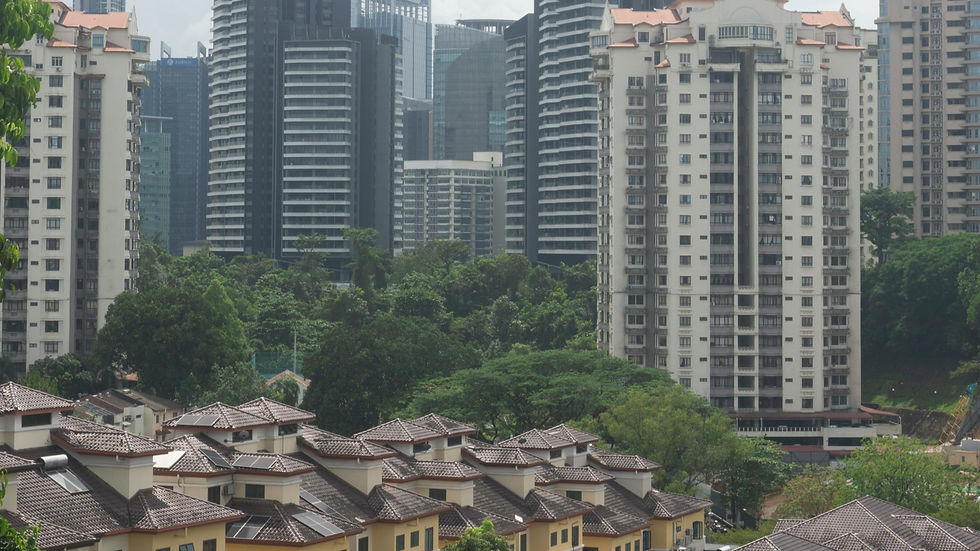
Years ago, Mont Kiara was relatively quiet compared to today’s bustling premium environment.
Now, it is one of Kuala Lumpur’s most recognizable upscale residential districts, especially among expatriates and high-income professionals.
The area’s transformation came from:
International schools
Luxury condominiums
Lifestyle retail
Expat-focused living
Online discussions continue to position Mont Kiara as one of KL’s most desirable lifestyle neighborhoods, although rising density and pricing have also become major talking points.
Mont Kiara proves that lifestyle positioning can significantly increase long-term property value.
What Buyers Can Learn From These Transformations
The biggest winners in KL property were often not the most expensive areas at the beginning.
Instead, they shared several common characteristics:
1. Infrastructure Changes Everything
MRT and LRT connectivity consistently boosted demand and pricing.
2. Integrated Developments Matter
Areas with malls, offices, parks, and walkability tend to attract stronger long-term demand.
3. Lifestyle Is Becoming More Important
Modern buyers prioritize convenience, connectivity, and live-work-play environments.
4. “Undervalued” Areas Don’t Stay Undervalued Forever
Many neighborhoods that once looked “too far” or “too early” eventually became mainstream hotspots.
Final Thoughts
KL’s property landscape is constantly evolving. A decade ago, many buyers hesitated to invest in areas like Cheras, Bangsar South, or Kepong. Today, those same locations are considered some of the city’s strongest-performing residential markets.
The next big growth areas may already exist right now — just before the wider market fully notices them.
For investors and homebuyers, the real opportunity is often identifying:
future infrastructure,
improving connectivity,
township master planning,
and lifestyle demand
before prices fully catch up.
Because in Kuala Lumpur, today’s “cheap area” could become tomorrow’s hotspot.
👉 Looking for property in Kuala Lumpur? Contact Ascons Real Estate today for a FREE property consultation and discover the best options within your budget.
Kenms Ang
+60 19-686 2265


Comments